s

Studio Rental

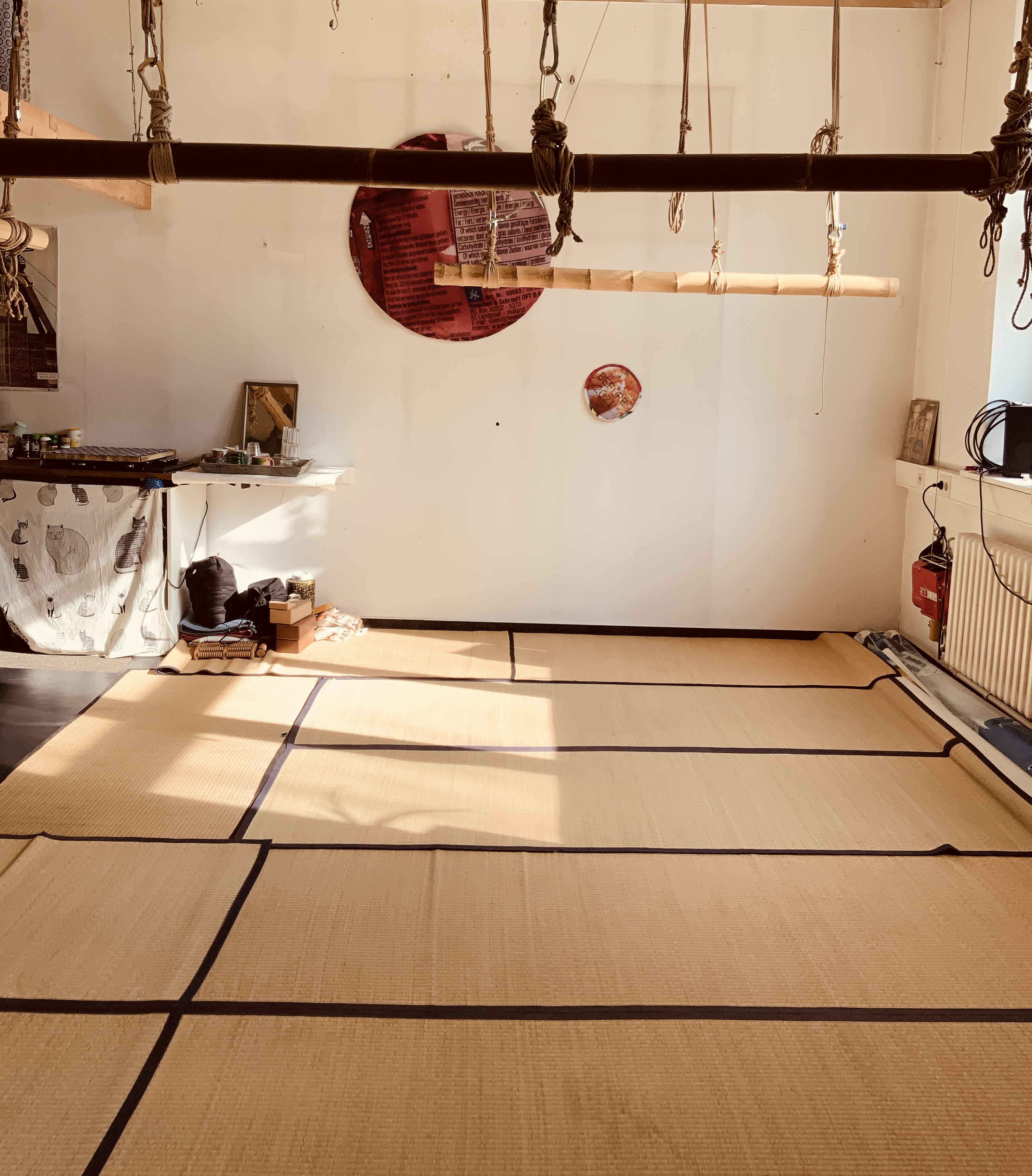
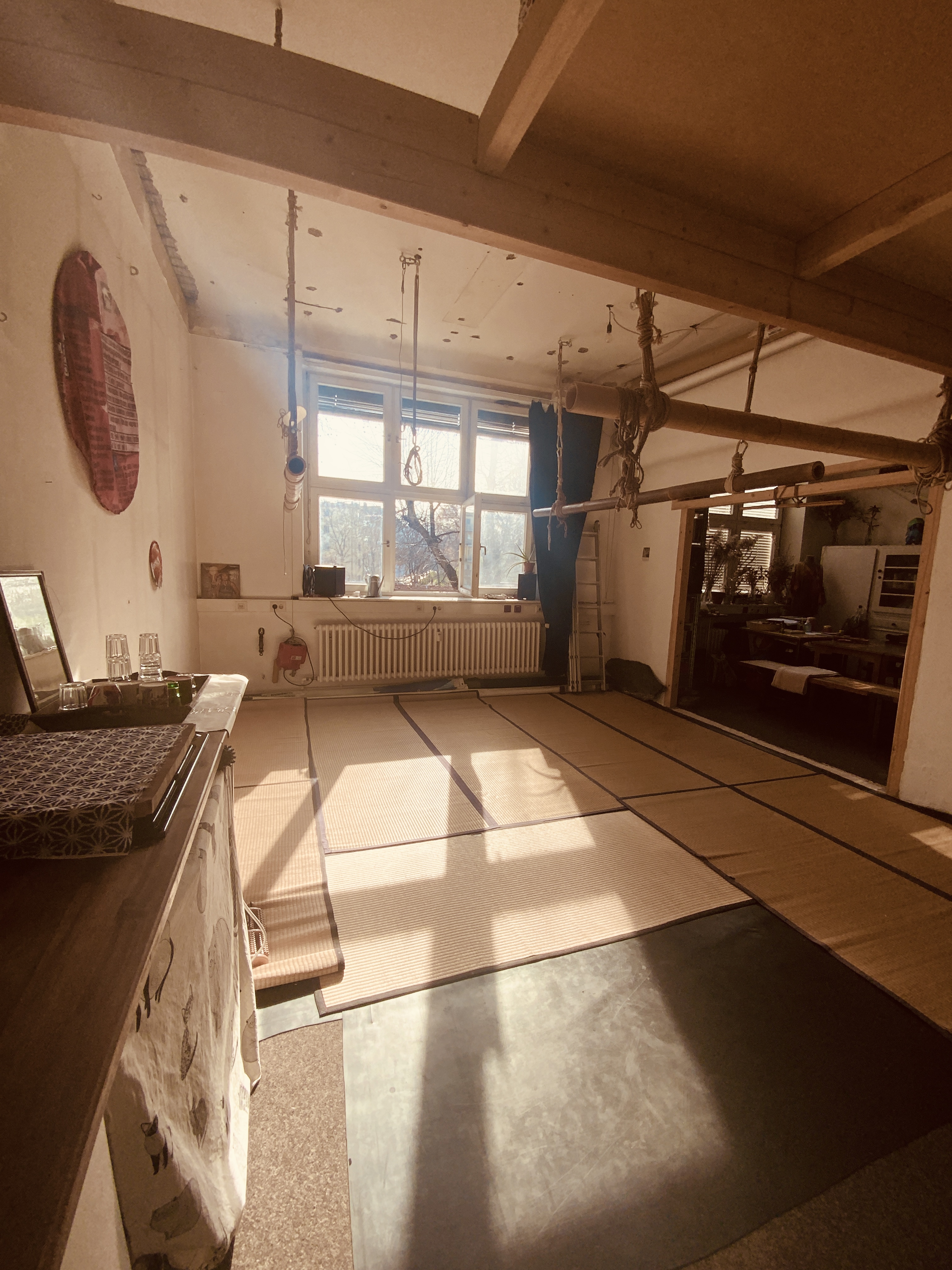
From Oktober to December 2026 I am partially sharing my Studio at Uferhallen. It is a bright and calm space for physical training, shootings, meetings and research.
Two rooms 45m2, with dance floor or tatami, photo screens and tea kitchen. The space is great for concentrated writing projects, shibari tying/teaching, and shootings on white and green screen.

For more information contact: email(at)dasniyasommer(.)de

Research: Storia Infinita

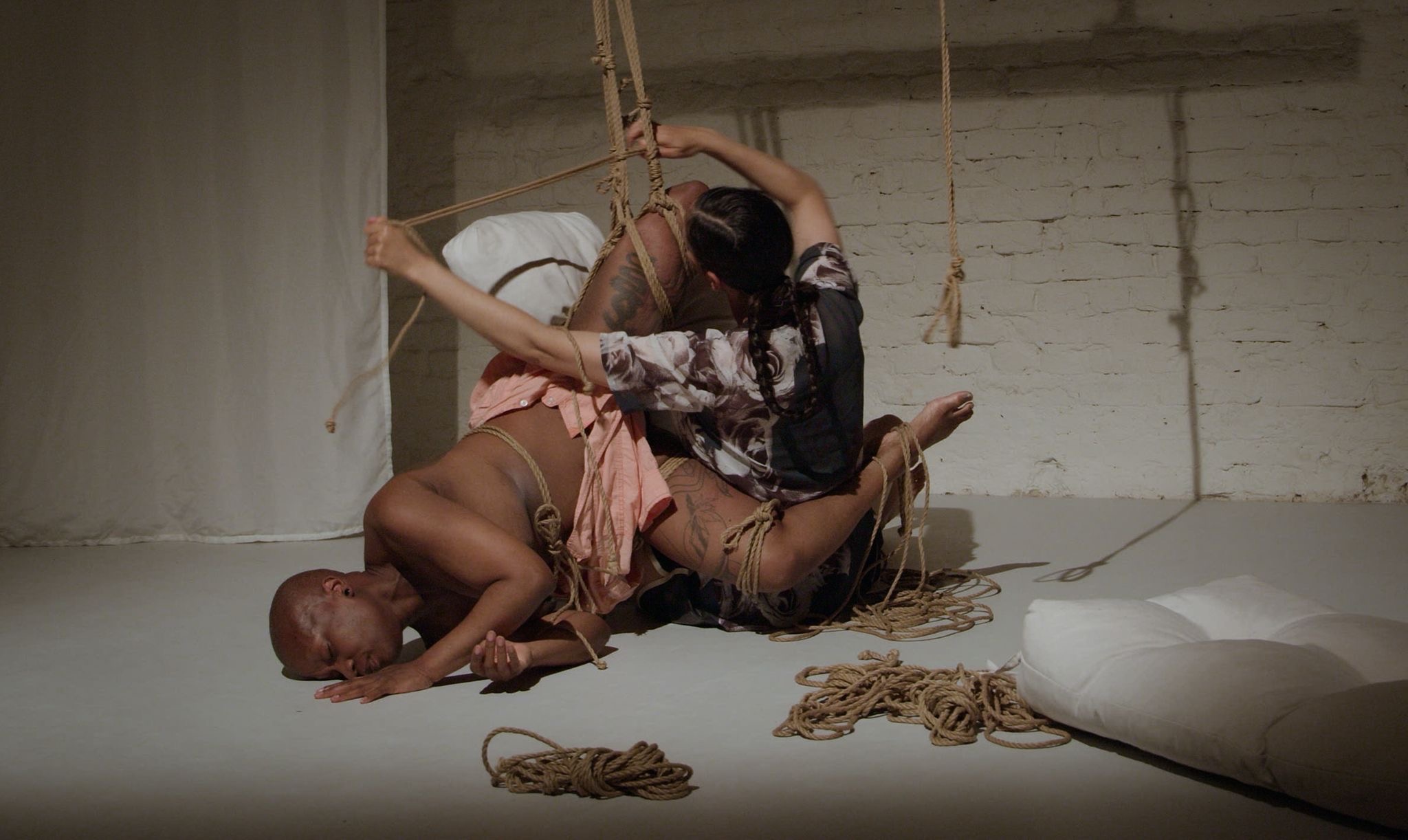
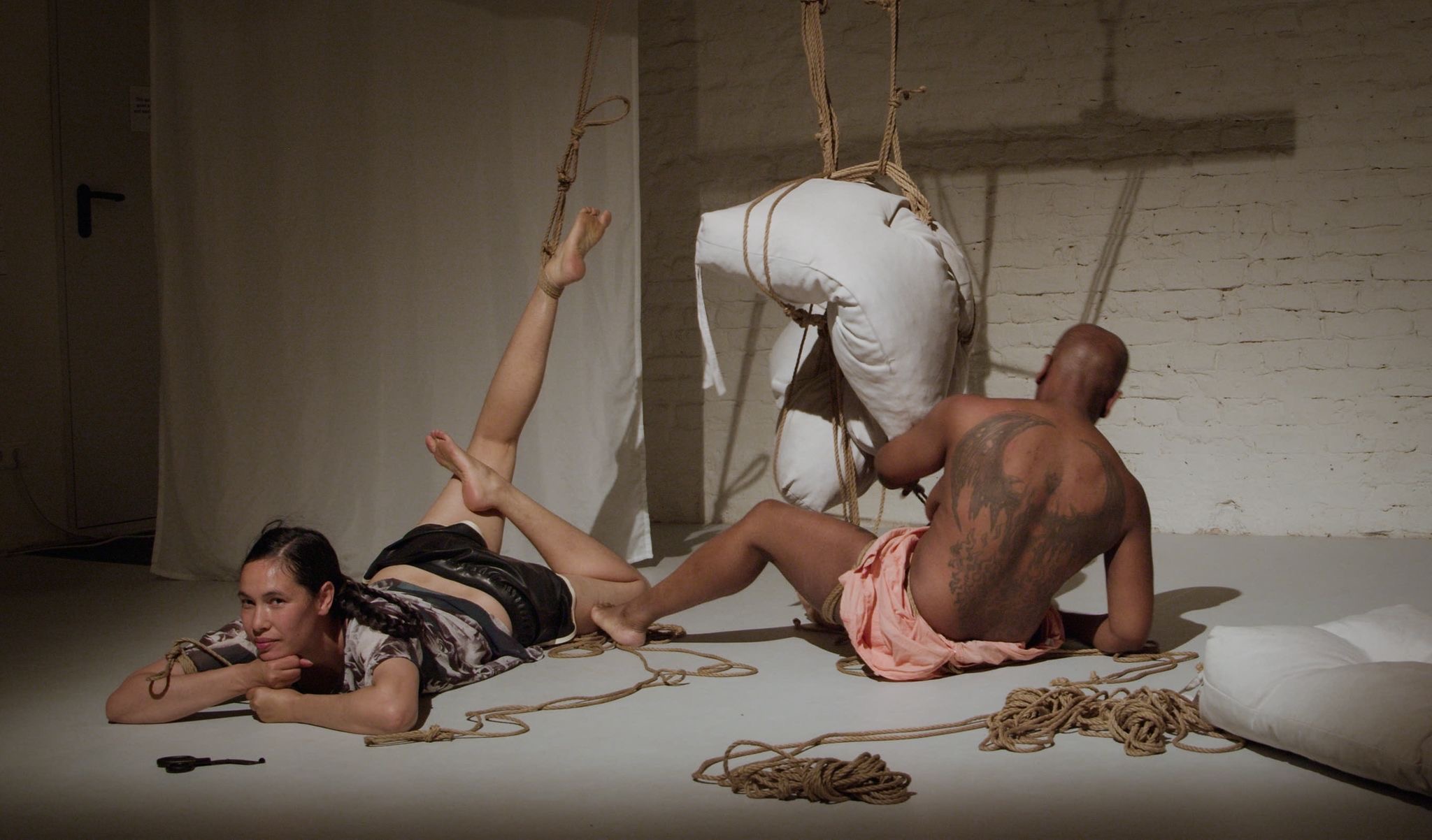
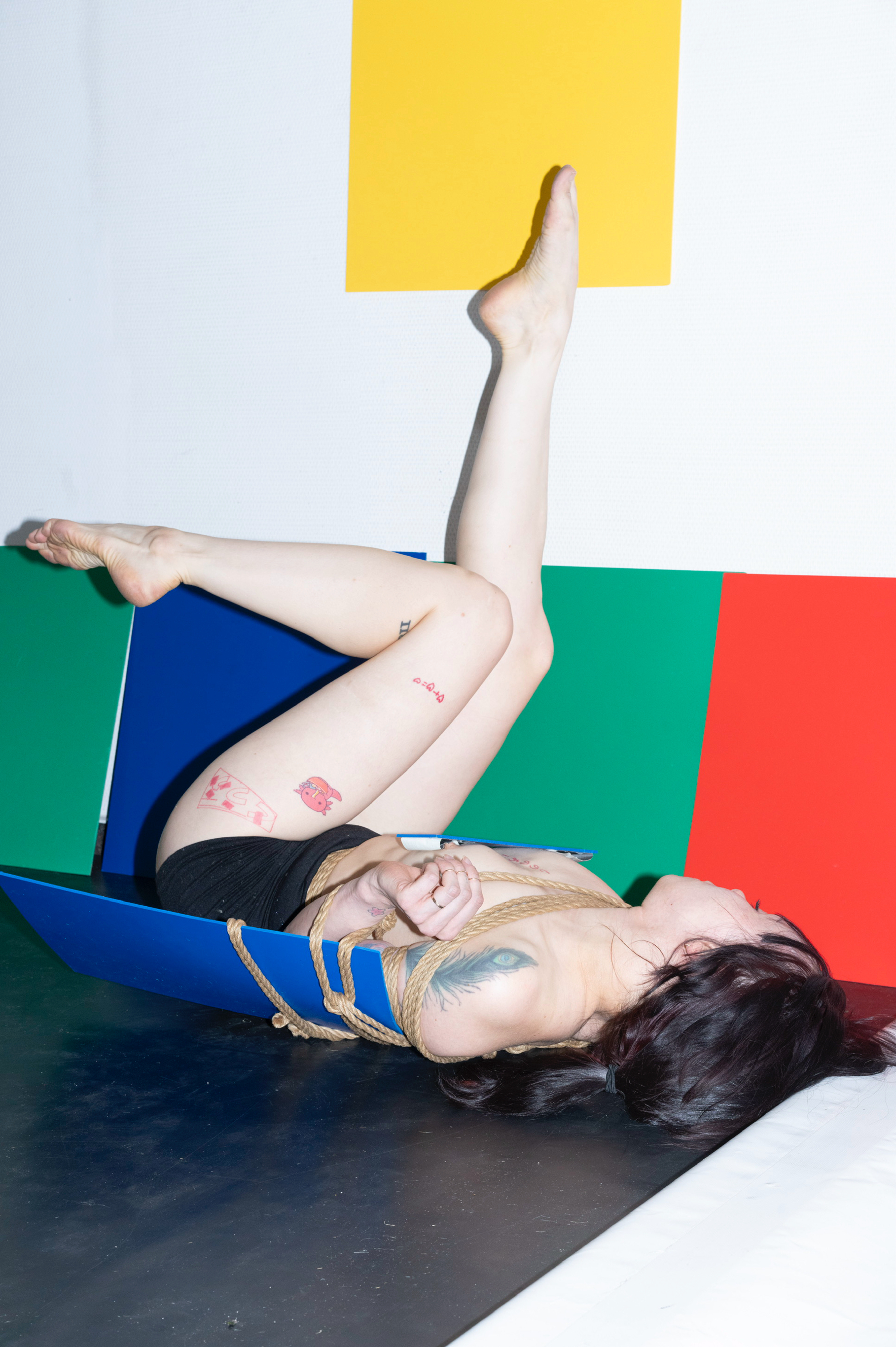
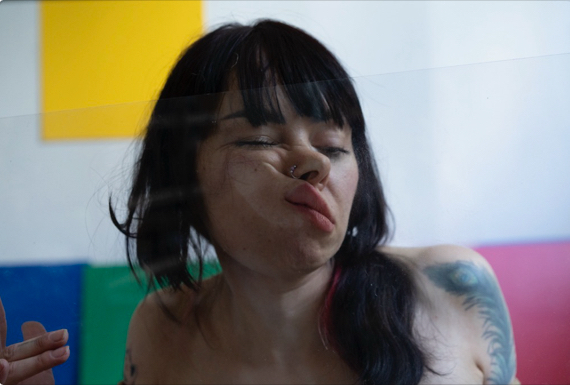
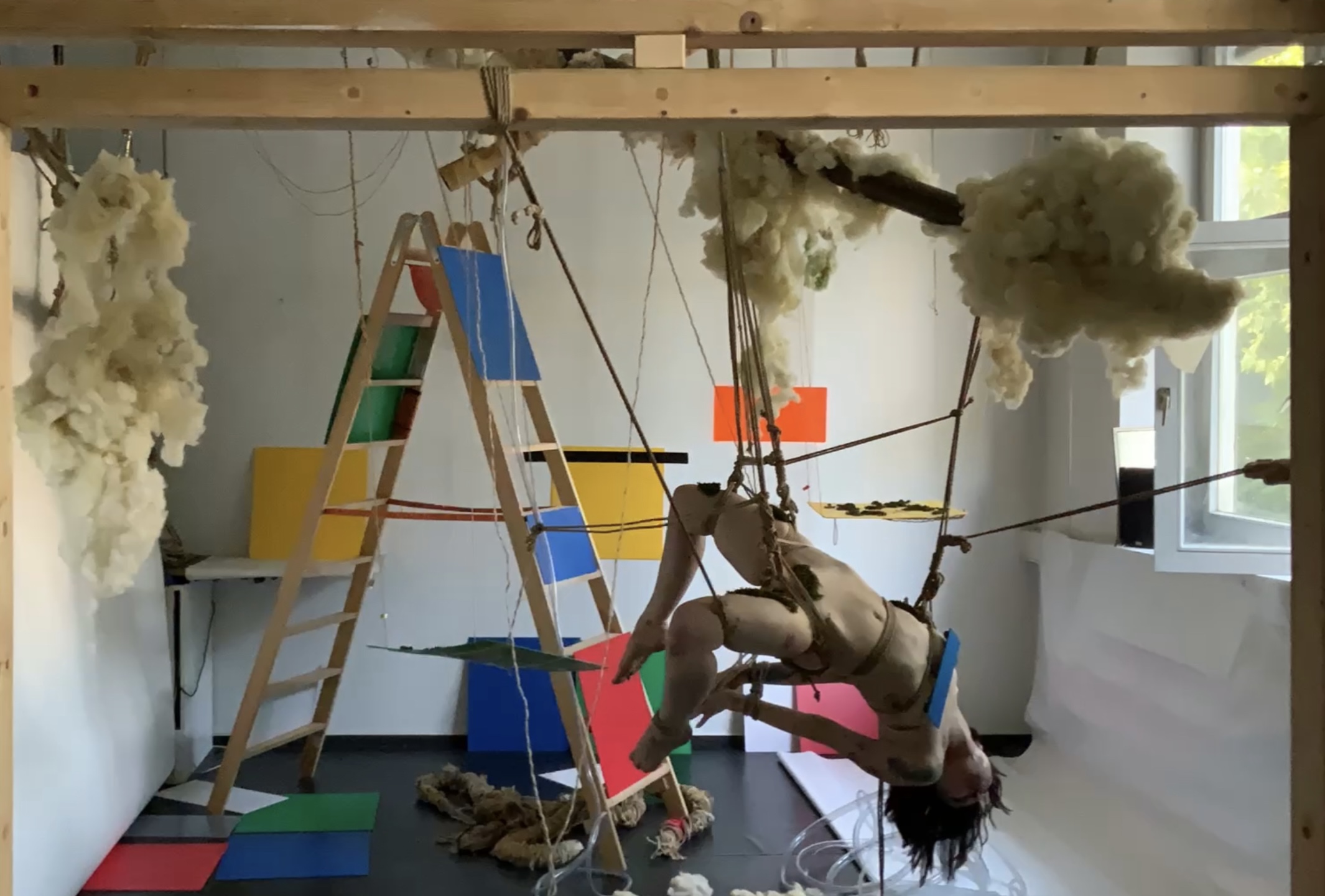
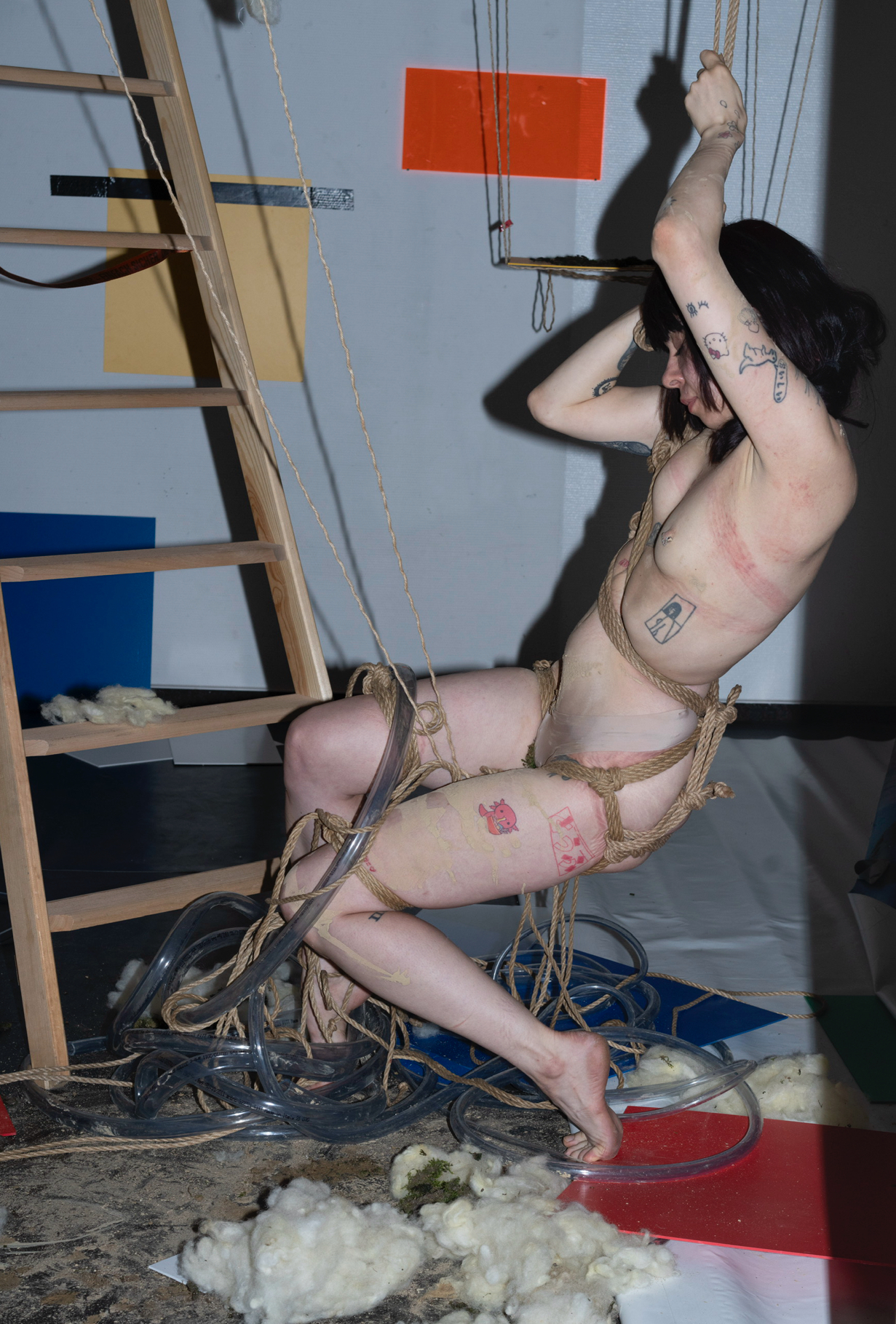
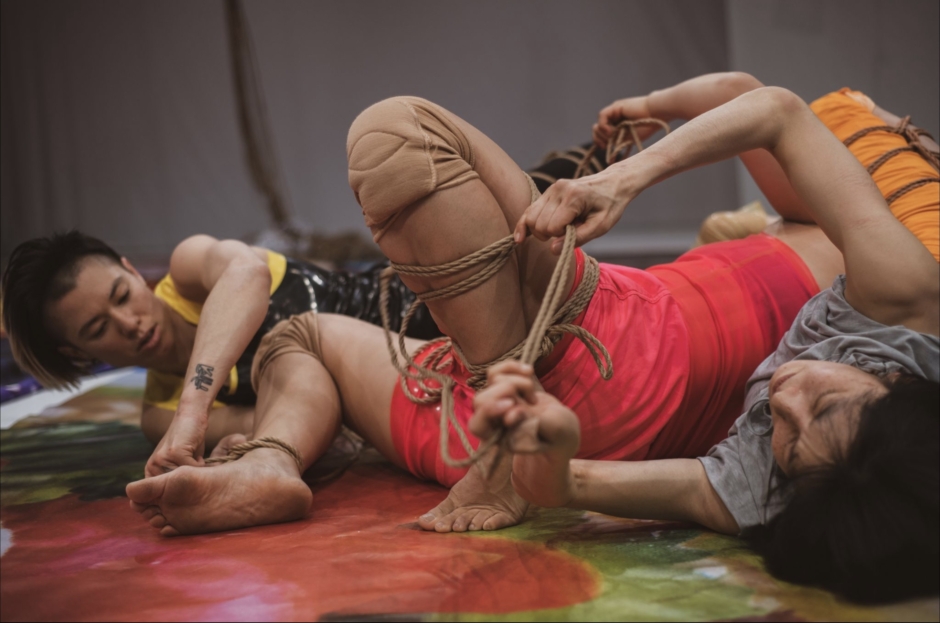
Try outs: Eliko moves and suspends between plastic plates. Moss-swings, passepartout underlay for organic material and the skin as intimate surface. Eliko‘s partner joins the session, lifts and swings her gently for hours in the air.
Meanwhile woollen clouds are falling apart. One looks like Falkor from the Never Ending Story, maybe after the Japanese luck dragon Fuku Ryū.

Model: Eliko
Fotos: Werner Amann
Support: Iman.rhv
Space concept + ropes: Dasniya Sommer

Some thoughts trying to connect different levels of a research and questions on how the space would be shared with sound and performance. During Open Studio weekend at Uferhallen one guest asked if the contrast of the material has specific meaning. Others saw references to the Czech/Slovak feminist female artist Anna/Anča Daučíková.
To star with I was mainly inspired by the bright, oversize Dojo of the BJJ championship in Crete I saw last autumn.
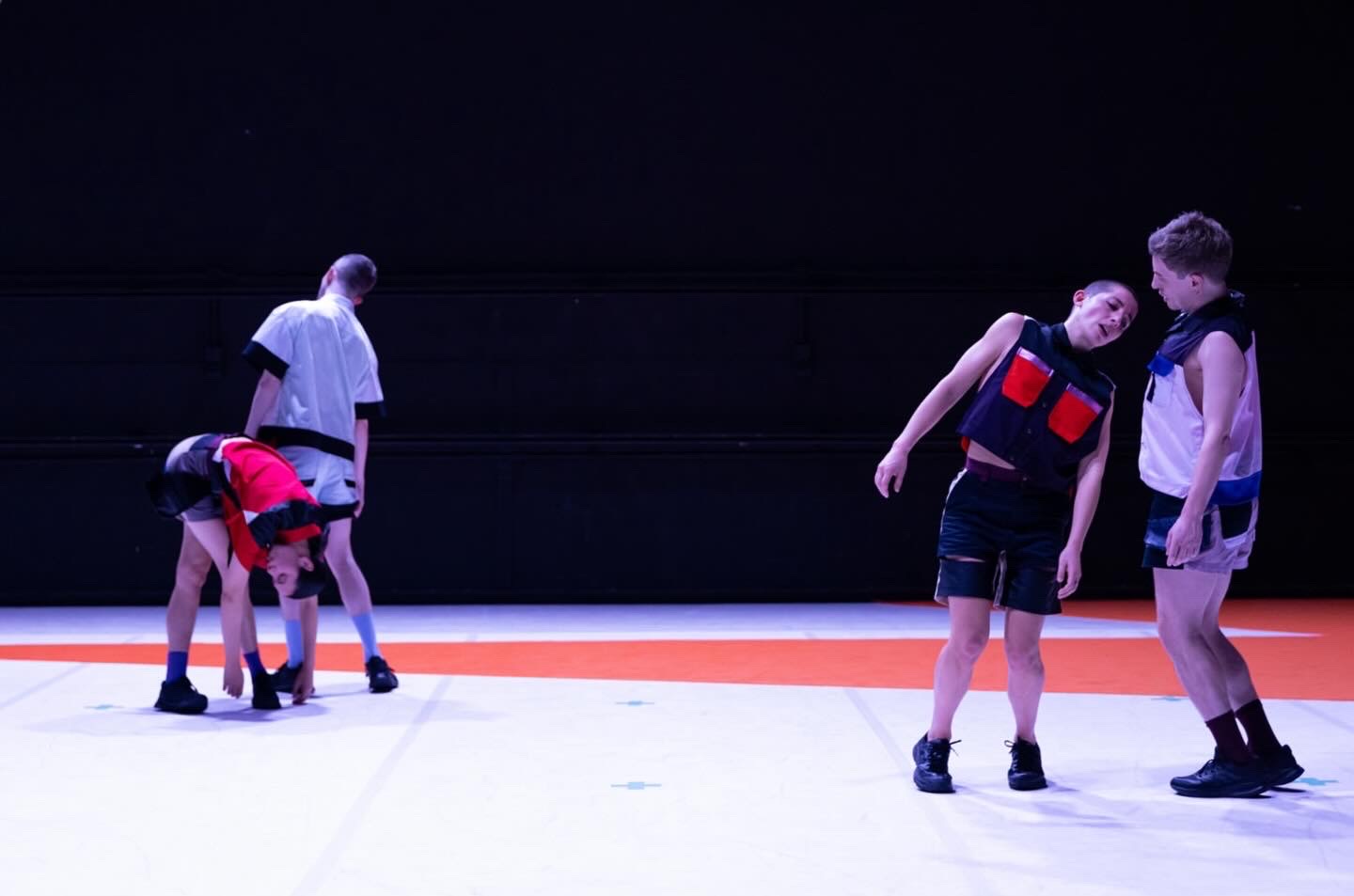
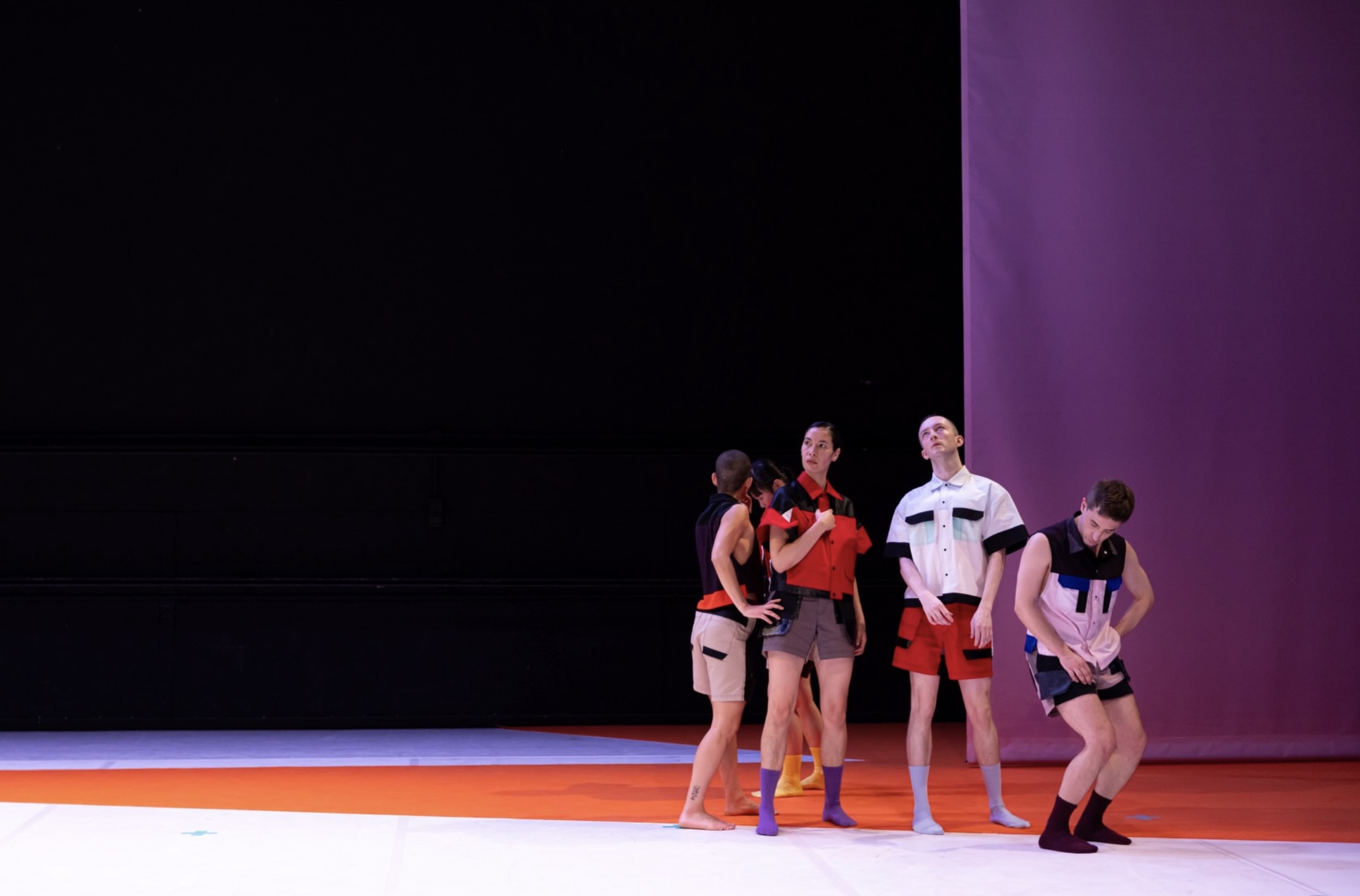
Or is it a colourful chessboard? A dojo as place of learning, or a chessboard as place to play against each other? Speaking with a sound person they wondered if the geometric plates is a visual arrangement of music? Is there a correlation between the coloured areas and a performers physical impact on the material, for example a extra boxing dummy? And is the boxing dummy recognisable as such, or is it stuffed with sheep‘s wool into an amorphous structure that eventually bursts open, revealing soft wool?
Do the squares represent tonal sound diagrams, or are they simply colored dojo mats depicting a non-hierarchical space? Do the panels in the primary colors need to be complemented with intermediate/pastel tones? Is the wooden ladder part of the space and does it suggest something about the process-oriented, unfinished nature of the work, which is what research always is? Not a finished piece, but a step/phase in the creative process.


Mooslandschaften

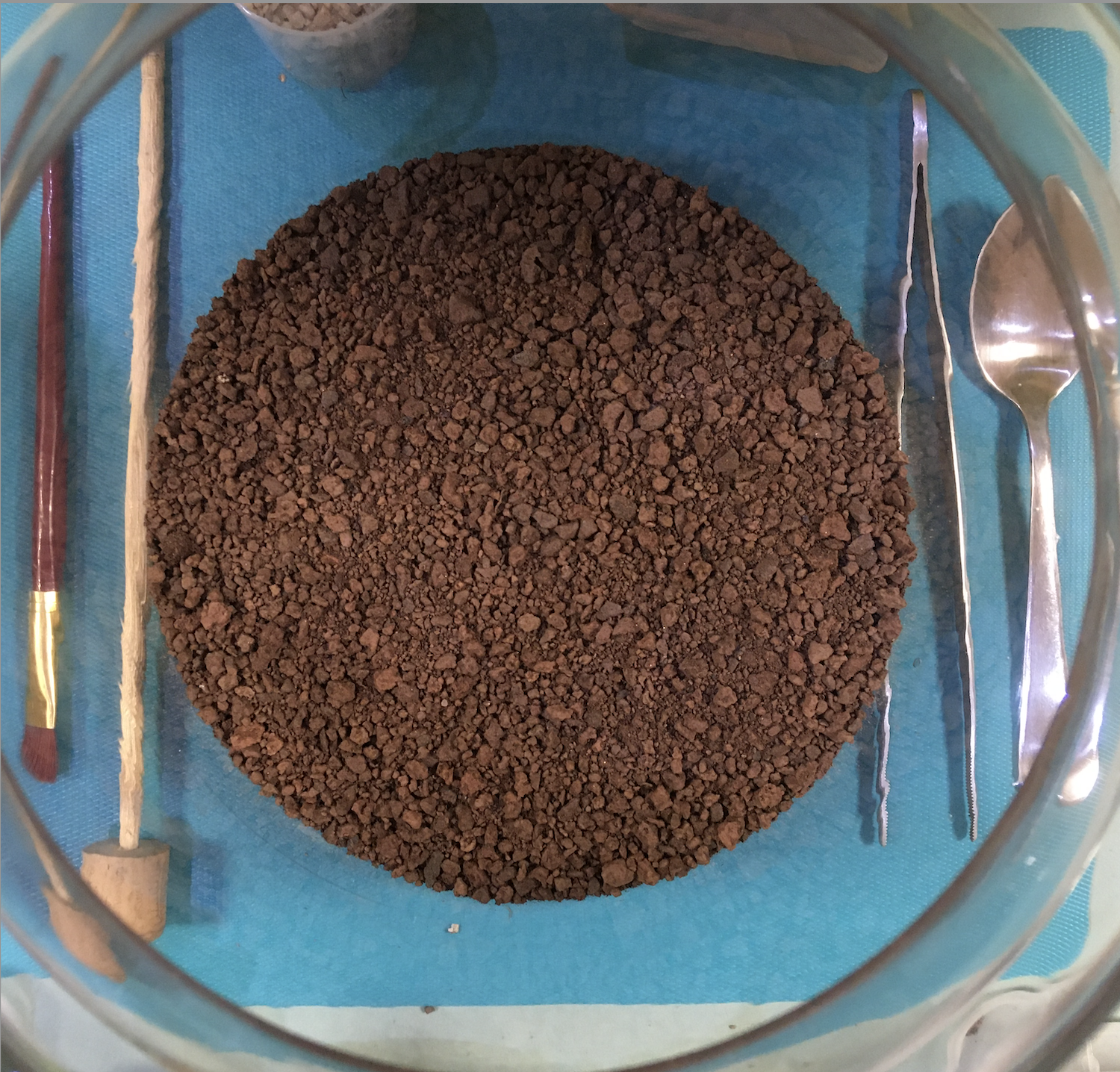
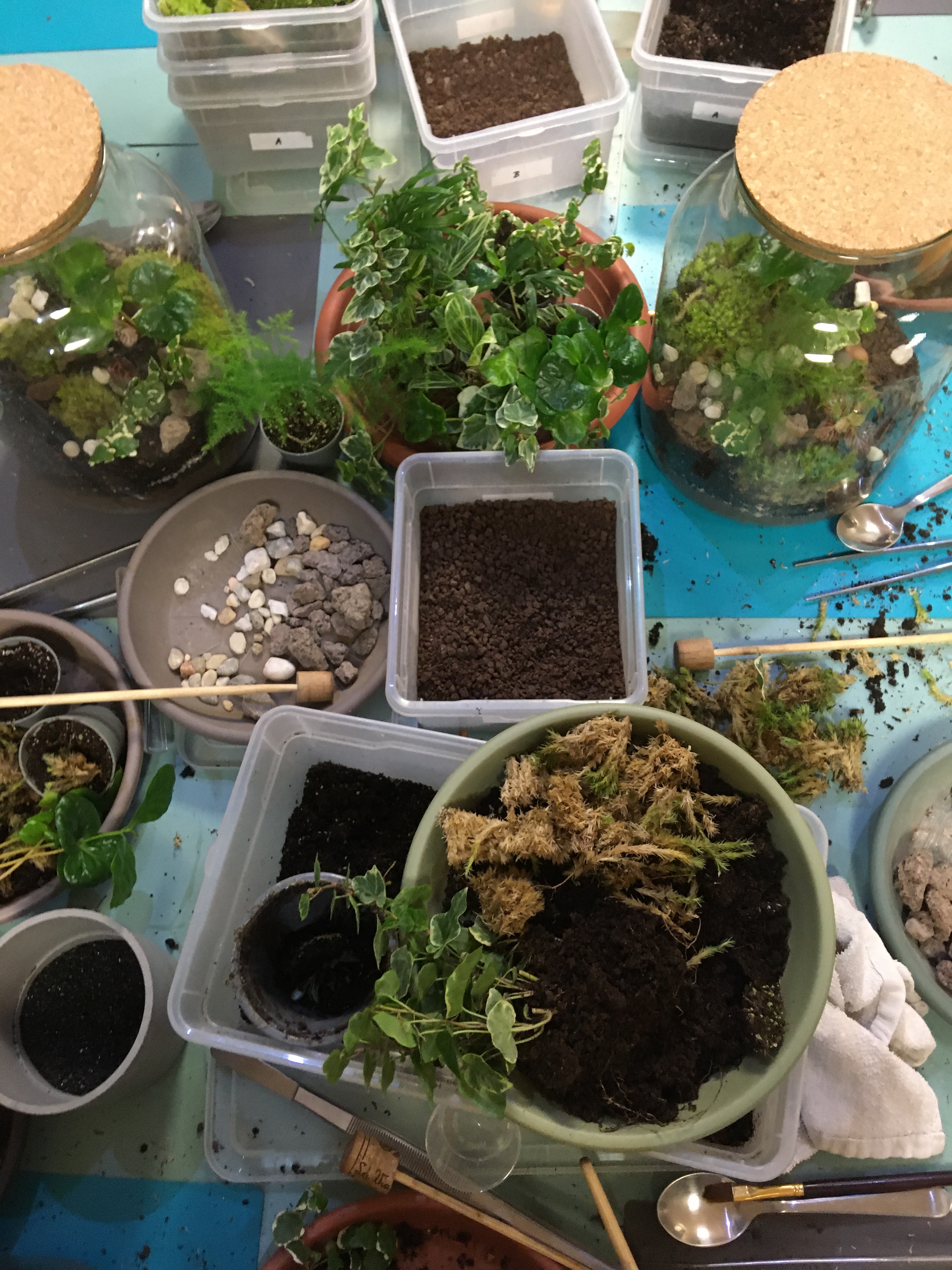
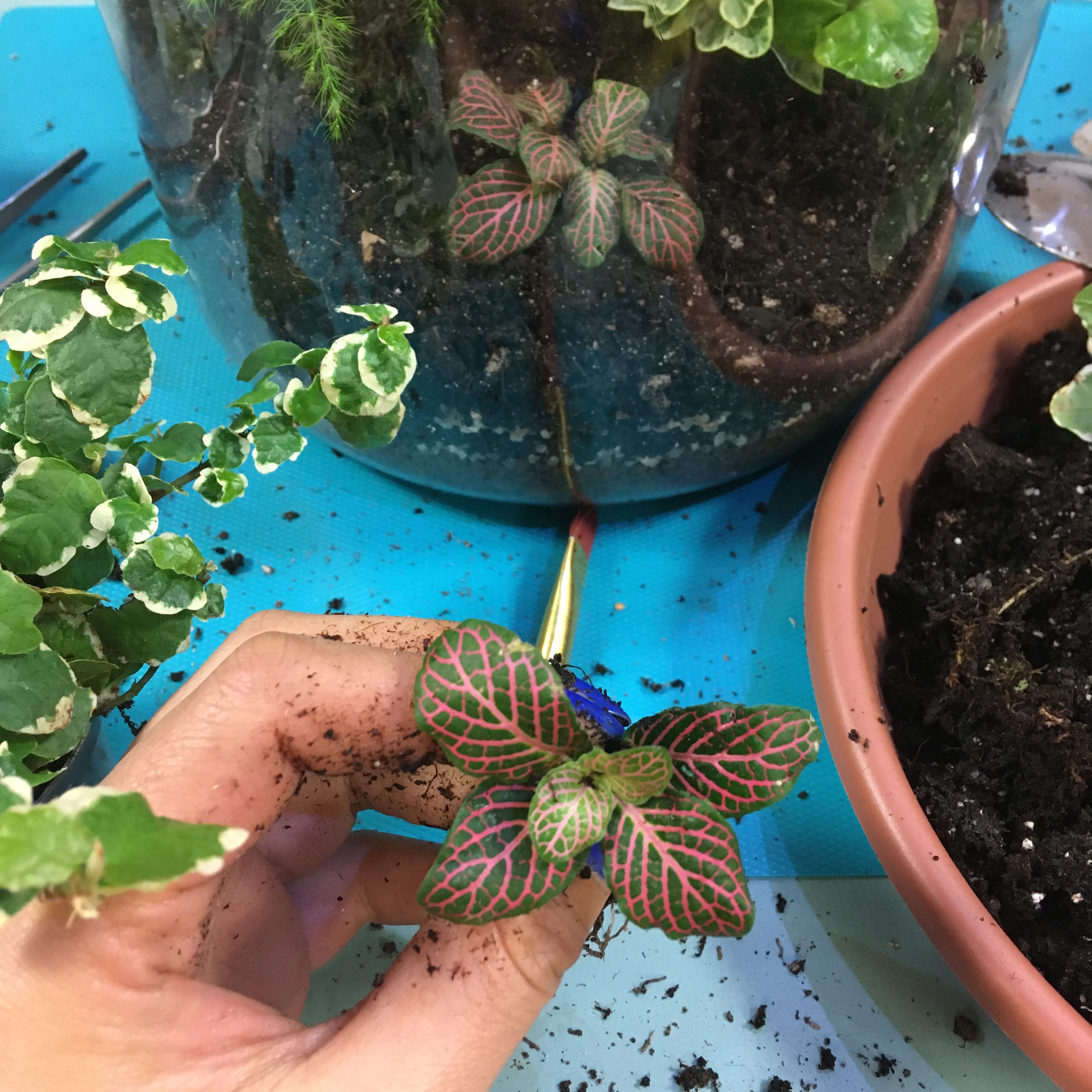
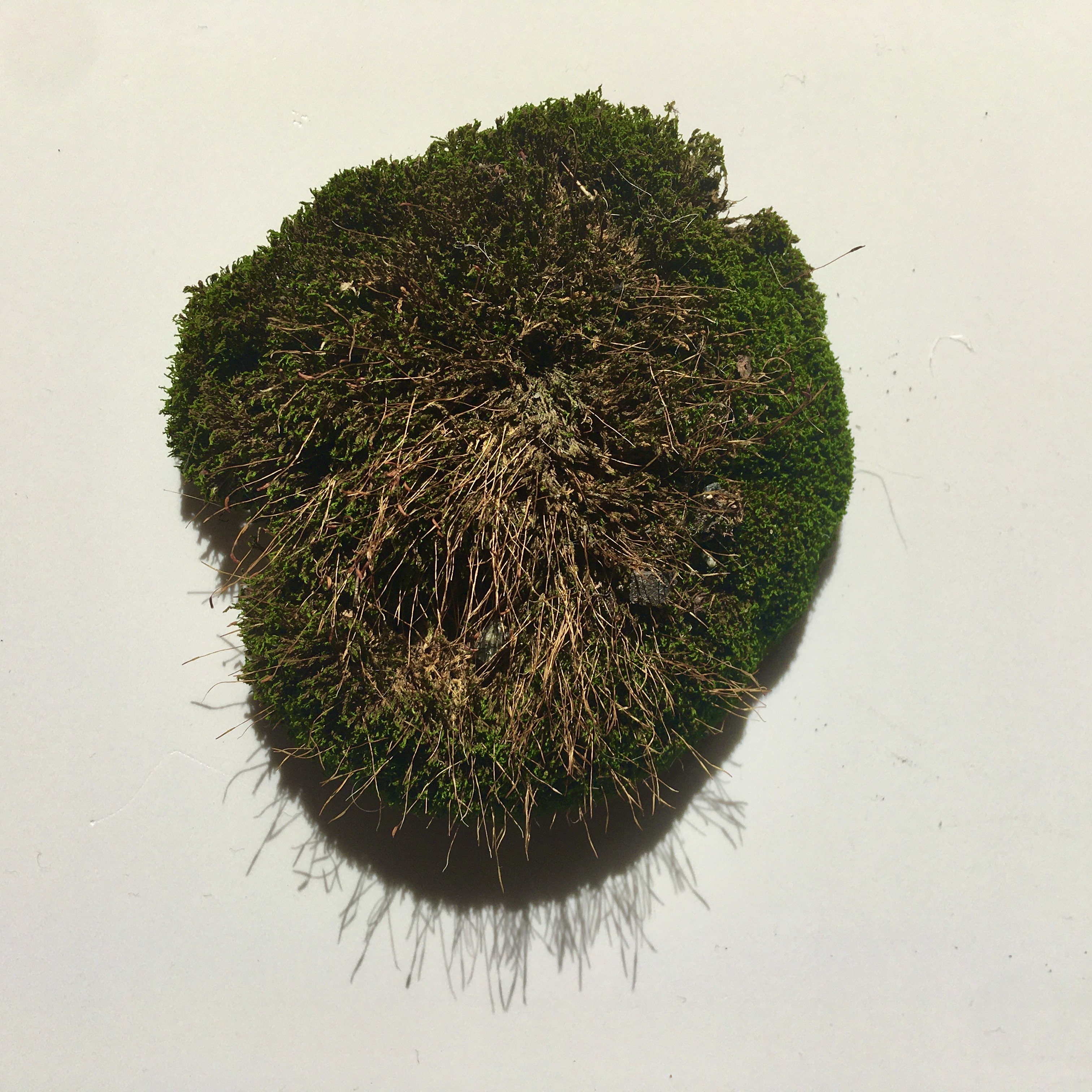
Moosgarten- und Terrariumrecherche im Rahmen von Tanzpraxis. Ursprünglich war geplant großflächige Moosplatten für Bühnenelemente und Kostümskizzen im Atelier zu züchten. Das Raumklima stellte sich dafür leider als zu hell und zu trocken heraus. Ich begab mich auf die Suche zwischen Dachrillen und kreuzberger Hinterhöfen zunächst dahin wo das Gewächs oft unbeliebt ist und langsam vor sich hin wächst bis es entfernt wird. Ich bestellte Kokedama (japanische Mooskugeln) online, aber diese konnte man nicht oft genug gießen und nach kurzer Zeit verloren sie ihr saftiges Grün. Zimmerterrarien schienen mir eine bessere Alternative. In den ‘Petite Jungle’ Workshops von Aurélie lernte ich wie simple sich Terrarien gestalten lassen. Und, dass es für Moosfans auch Moosarien gibt, besonders pflegeleichte Moos-Terrarien. Weil sich die Pflanzen im Glas aber kaum vermehren, schien mir ein weiterer Versuch outdoor sinnvoll. Den ganzen Sommer bearbeitete, bzw. ‘skalpierte’ ich 20 qm2 Rasen unseres Schrebergartens. Denn ich hatte gelernt, dass Moos dort wächst wo Gras kämpft. Also, wenn Gras keine Photosynthese mehr machen kann, wird es von Moos verdrängt und die Fläche verwandelt sich langsam in einen Moosteppich. Die großformatige Recherche setze ich diesen Sommer in der Uckermark fort.
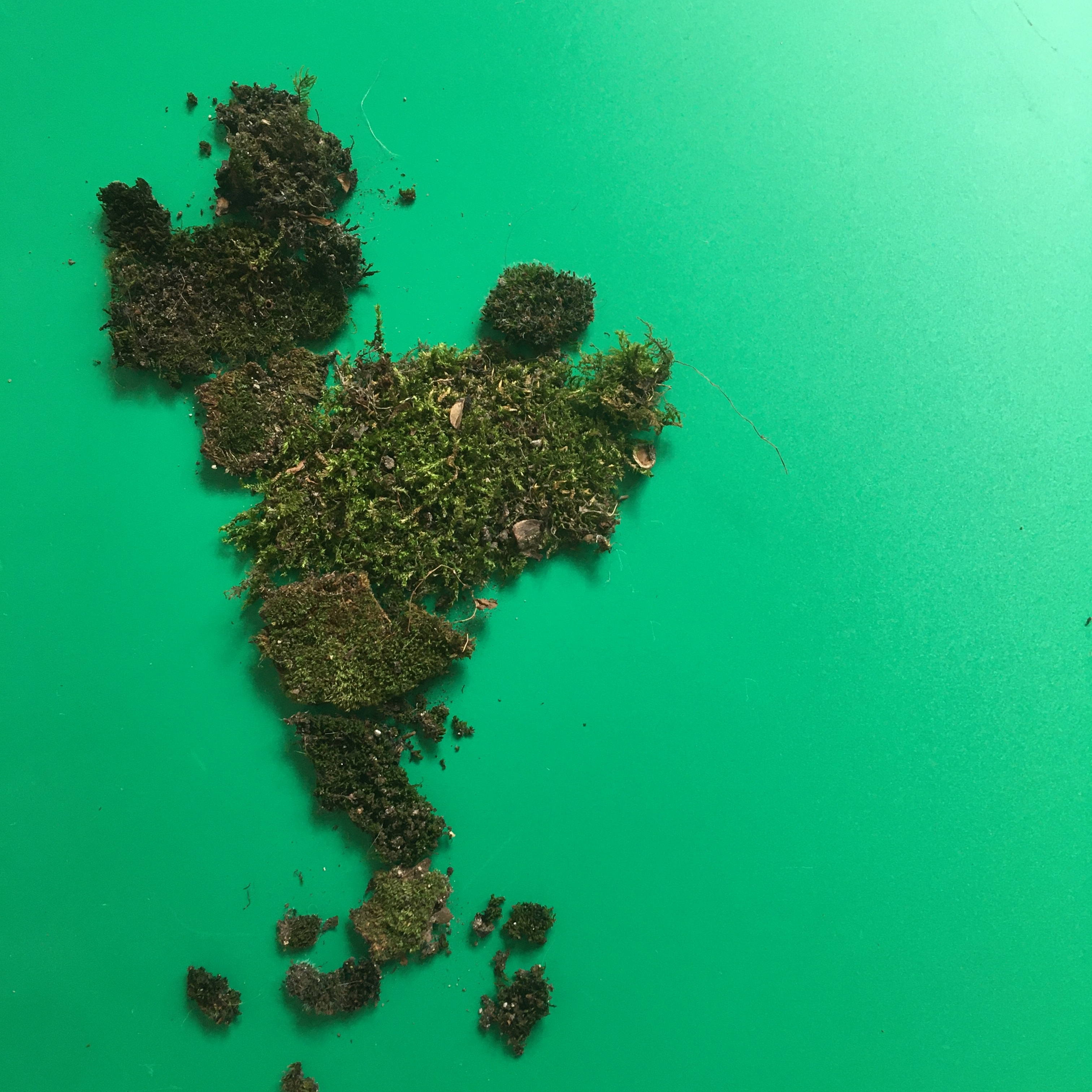
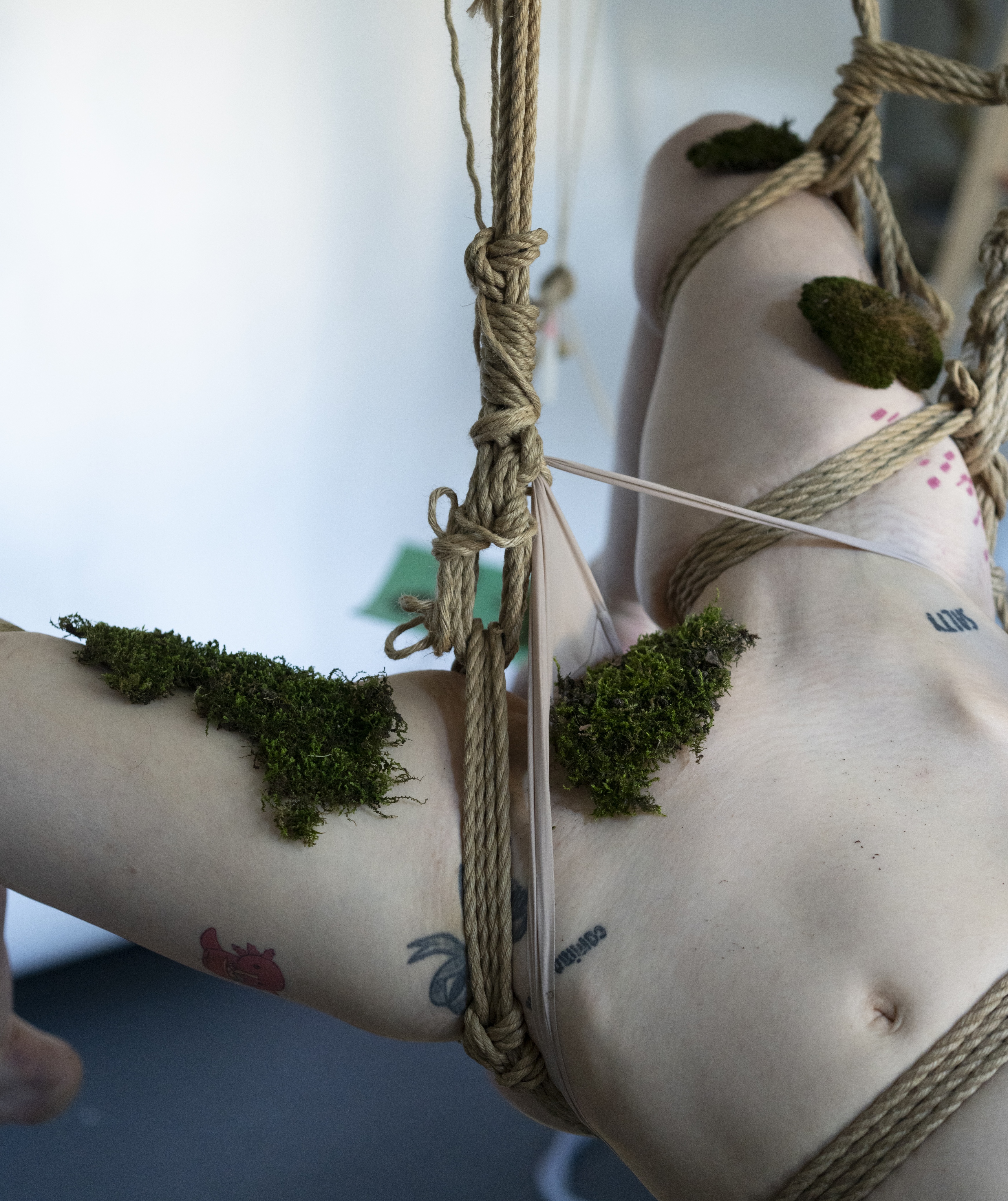
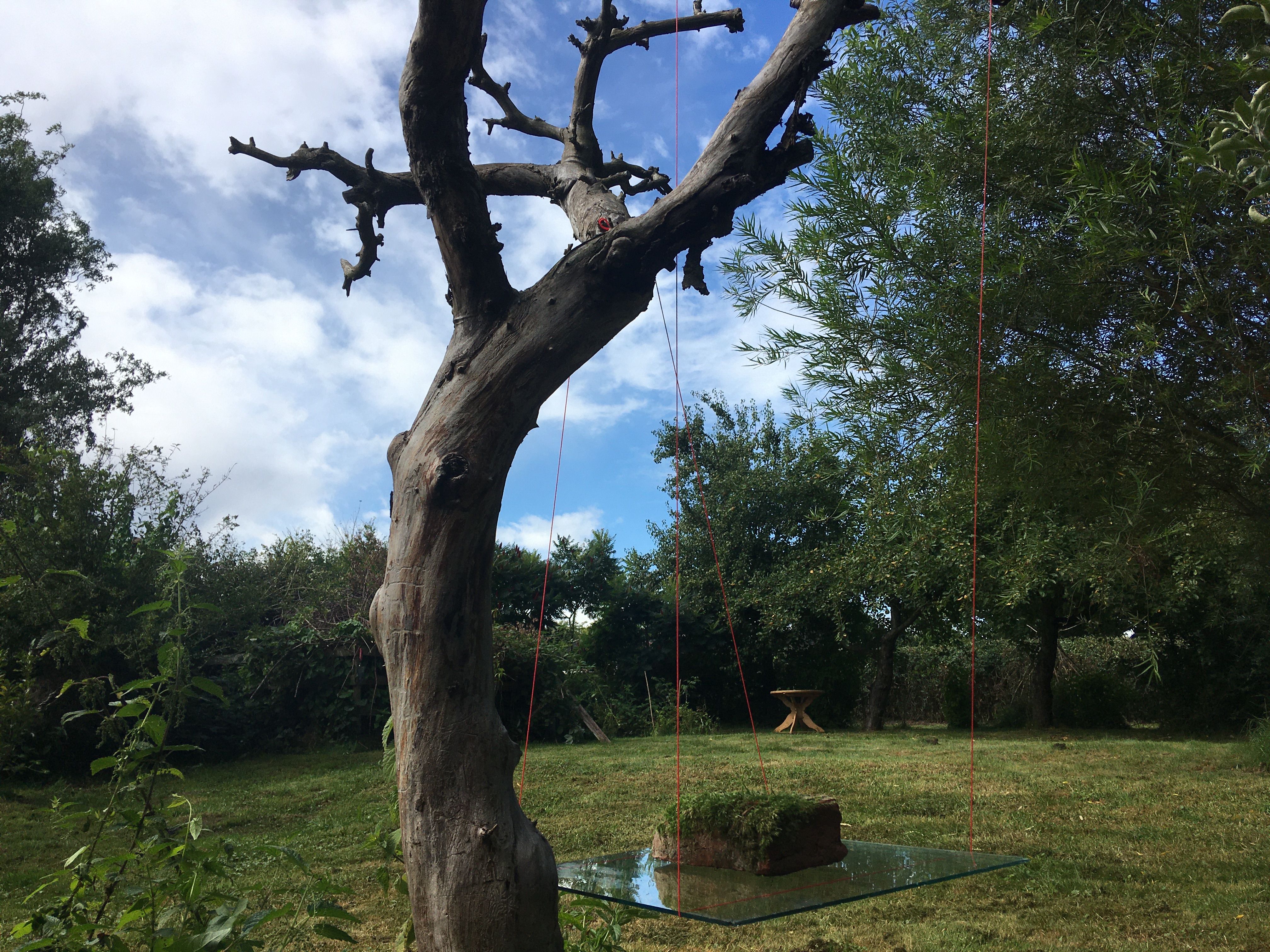
Parallel dazu experimentierten wir mit der Beschaffenheit von Moosen und dessen farblichen Kontrast auf der Haut. Oder im Ramen des Open Studios Weekends mit ‘Moosschaukeln’. Schwebende Platten auf denen Moos ruht und in einer begehbaren Installation vom Publikum geschaukelt wurde. Außerdem waren Besucher*innen eingeladen Formen aus den getrockneten Pflanzenresten zu legen, die an geografische Landkarten erinnern.
In letzter Zeit liest man immer häufig über dieses uralte Gewächs. Wahrscheinlich wäre es das Beste es sich einfach in Ruhe vermehren zu lassen. Ein Japanischer Moosbauer sagte einmal: ich bin von dieser Pflanze, die es schon lange vor dem Menschen gab und die den Menschen wohl auch überdauern wird einfach fasziniert.

Fotos: Haus Sommer. In ropes: Tiana und Eliko.

Autonomous Avatar at Festival der Zukunft

Autonomous-avatar-Tobias-Staab-Nadja-eller-Corey-Scott-Gilbert-dasniya-Sommer
On tour at ‚Festival der Zukunft‘ – enjoying our 10th show and arriving at a mind set where dancing becomes second nature. Walking on stage and just do it.

Date: Friday July 4, 2025
Location: Deutsches Museum München/ Planetarium
Time: 19 Uhr

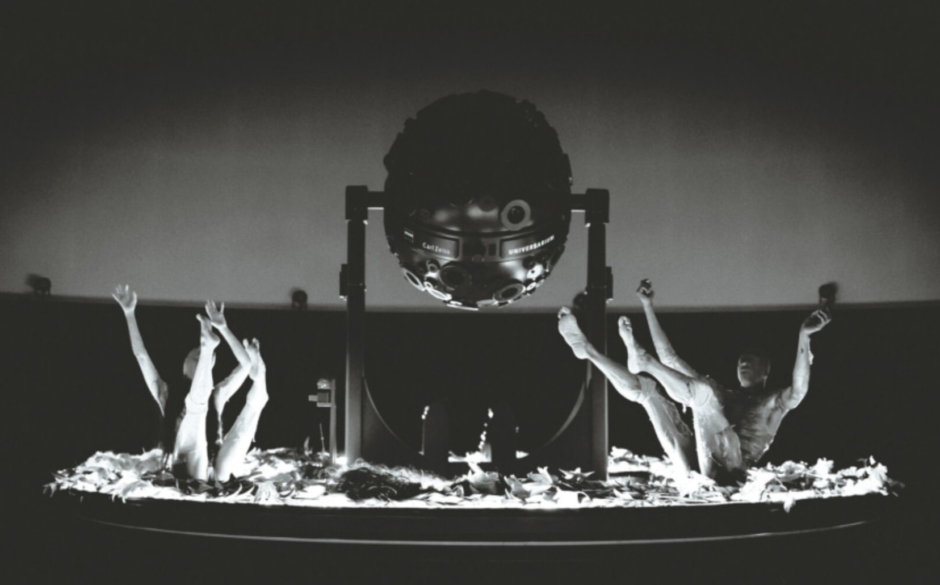
Can machines learn on their own? Is an algorithm able to hallucinate? What if our lives were just a computer’s dream? The hybrid dance performance AUTONOMOUS AVATAR deals with these questions. Two performers discover their human bodies until they transcend into superhuman forms. The encounter with these new digital deities takes place on the threshold between analog and virtual realities.

Berlin-based artist Tobias Staab has developed the choreography together with the dancers Dasniya Sommer and Corey Scott-Gilbert. Using live motion capture technology, their organic physiognomies are combined with the immaterial bodies of the avatars. The texts were created on the basis of a story by Jorge Luis Borges and in close collaboration with various artificial intelligences. The spoken and sung sounds derive from on a number of voice recordings made with the award winning actress Sandra Hüller. The score was conceived and arranged by composer Beni Brachtel.

Direction, Text, Concept: Tobias Staab
The choreography was developed in close collaboration between Tobias Staab and the dancers Dasniya Sommer and Corey Scott-Gilbert.
Performers: Corey Scott-Gilbert & Dasniya Sommer
Voice: Sandra Hüller
3D-Design: Luis August Krawen
Music: Beni Brachtel
Stage Design & Concept: Nadja Sofie Eller
Costume Design: Annika Lu Hermann
Motion Capturing: Warja Rybakova
Light Design: Matthias Singer

Funded by: Beauftragte der Bundesregierung für Kultur und Medien / NEUSTART KULTUR, Dachverband Tanz Deutschland / tanz:digital. Produced with support by: DOCKdigitalLab, Planetarium Bochum

Workshop series: Harness in motion

choreografie-tanz-dasniya-sommer-bondage-shibari-Kunst-yum-yum-ballhaus-ost-berlin-rope-dance-workshops-klassen-performance

The series ‚Harness in Motion‘ consists of three workshops this summer:

1. class: Navigating weight lightly – 27.6.25
2. class: Skin, ropes and trust – 22.7.25
3. class: Adrenalin / Shibari fight club – 23.9.25

The workshop focuses on dynamic system of movements and rope restriction. Dasniya will open her vast dancers tool box to creatively expand the traditional shibari vocabulary. Rope harnesses will serve as anchor points and transform the classical top-bottom dynamic into playfully and intimately moving with your partner through space.
Note: This class is the second of a series of three classes that will explore this topic in depth. The classes build on each other but it is not obligatory to take all three of them.

For more information please contact: workshops(at)dasniyasommer.de
or register via: Karada House.

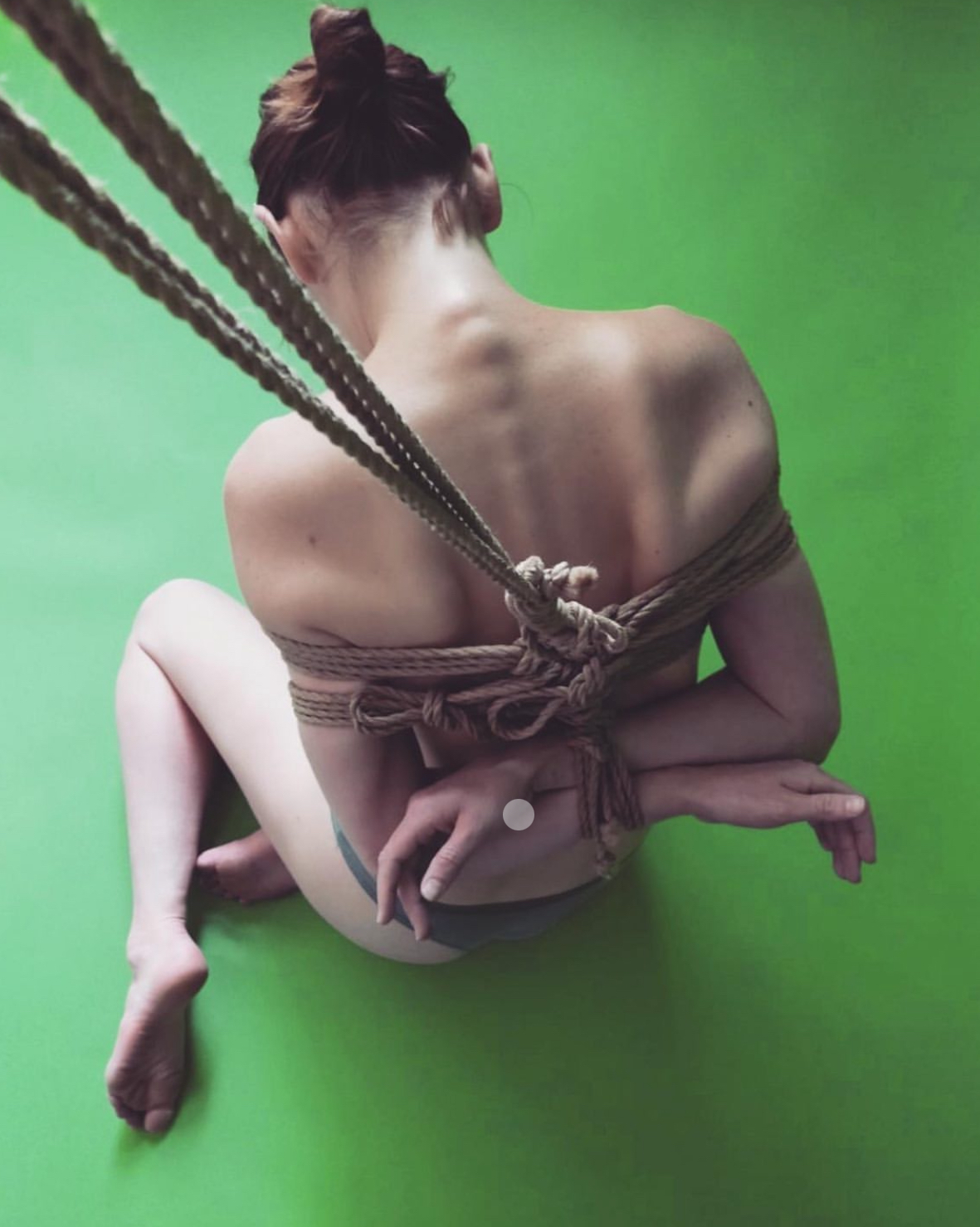
Dasniya Sommer is a Berlin-based choreographer, dancer and teacher who works in the range from performance to photography and video art, from Japanese Shibari to classical ballet. She examines movement and image from the perspective of the dancer. For 20 years Dasniya has practiced Japanese Shibari/Bondage stretching performative aesthetic categories, making shibari accessible to a wider and intersectional community.
 She tries to combine pure Japanese techniques (currently Akira Naka inspired) with an unconventional anarchic approach, often integrating objects or organic material into the process. 
Dasniya’s teaching is informed by her experience as a rigger and shibari model. Melting schools and philosophies from a great number of teachers such as Chanta Rose, Kamijoo Saki, Kasumi Hourai, Arisue Go, Akira Naka, Tamandua, Gestalta, and Norio Sugiura. She regularly teaches at ‘Haus Sommer’ her studio in Uferhallen Kulturwerkstatt, and a.o. at ImPulsTanz Vienna, Lismore’s Queer-Community/Australia, and Braunschweig University of Art. ‘Sculpting or moving with ropes I deeply enjoy the handcrafting moment combined with sensual attention towards my partner or the bondage material.‘

Photo by Pippa Samaya.


TANZPRAXIS STIPENDIUM

With many thanks to the ‚Senatskanzlei für Kultur und Medien Berlin‘ and to the jury Begüm Erciyas, Sheena McGrandles and Peter Stamer for supporting my artistic research with the ‚Senior artist‘ grant in 2024/25.

Premiere: War Games @ Münchener Kammerspiele


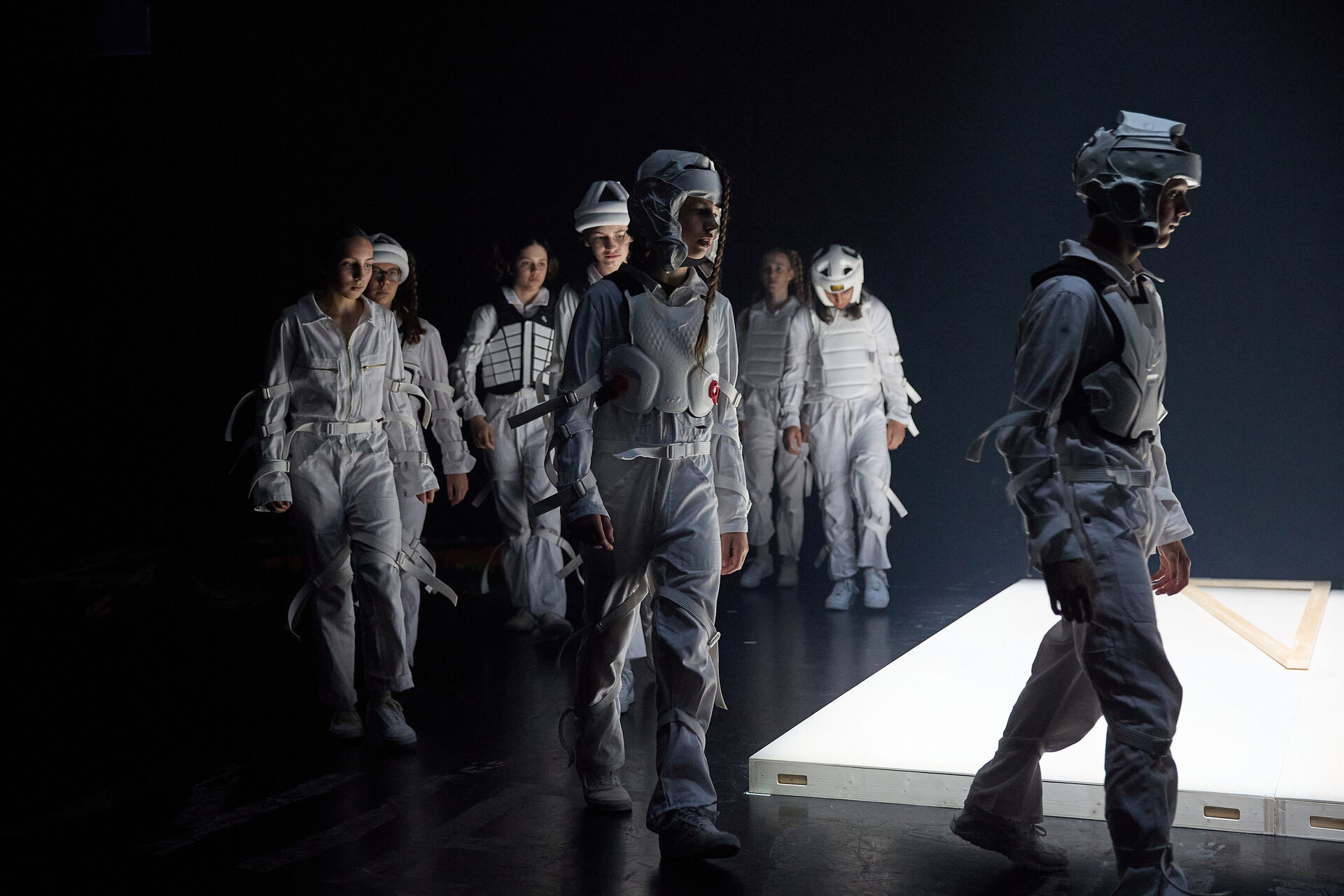
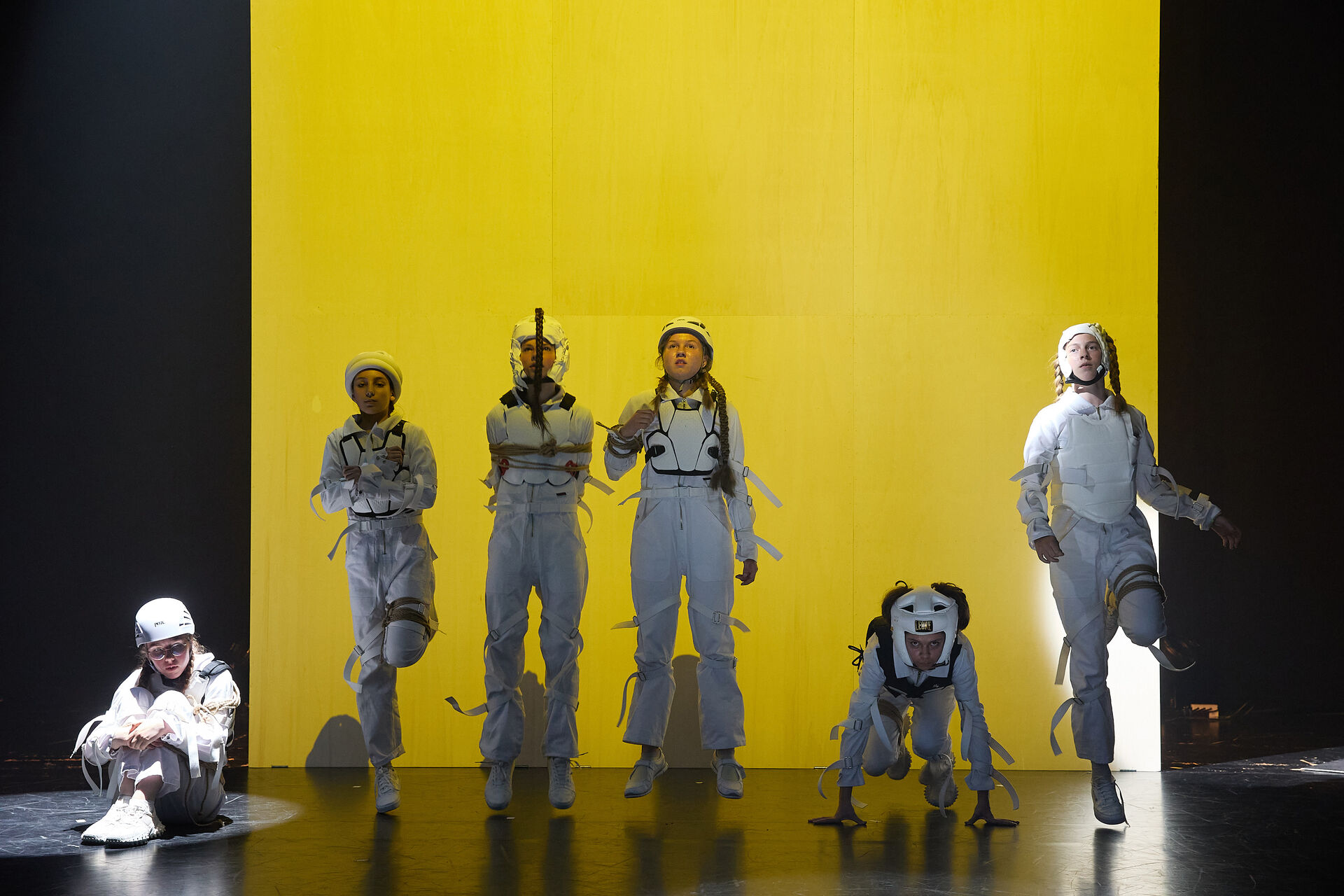
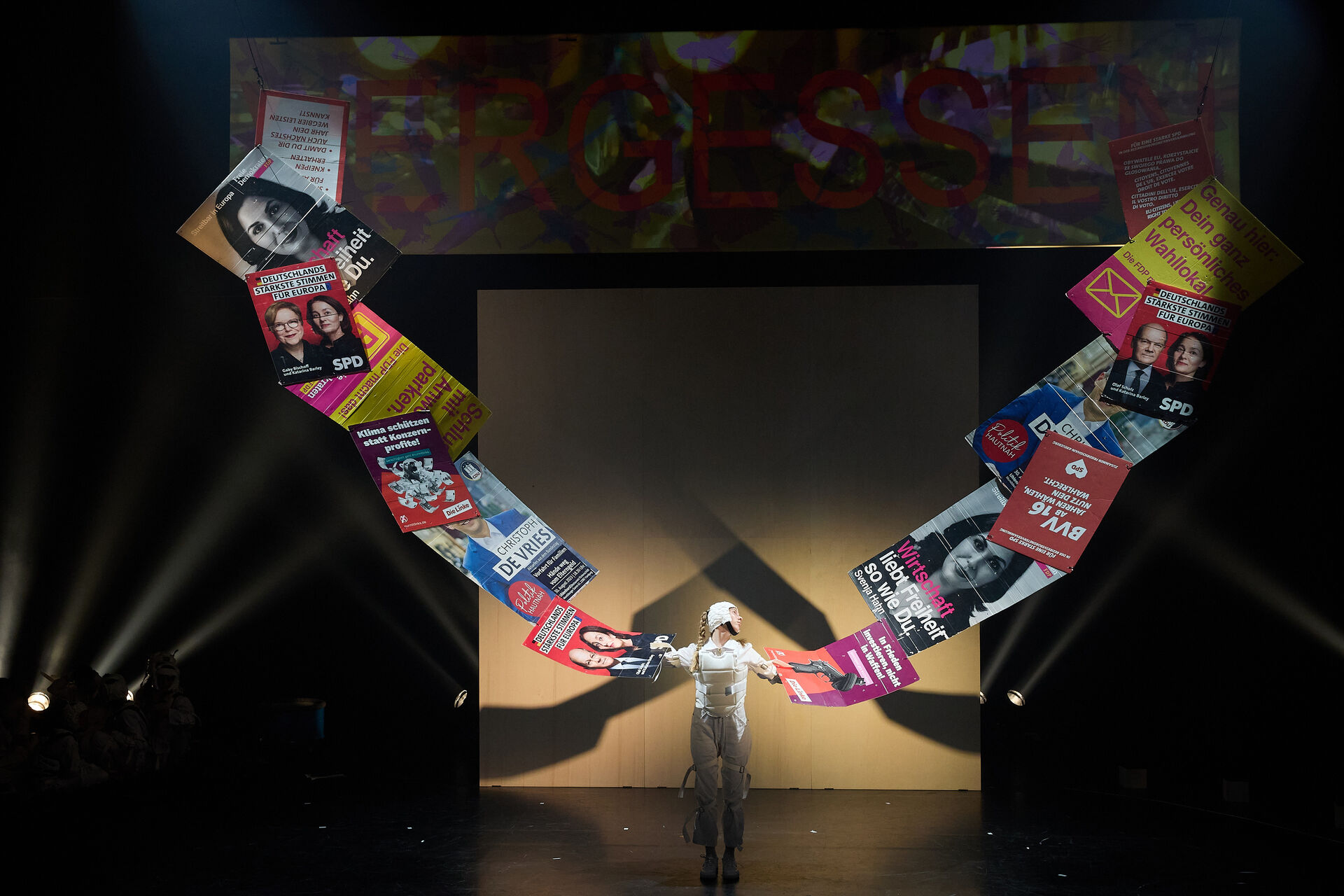
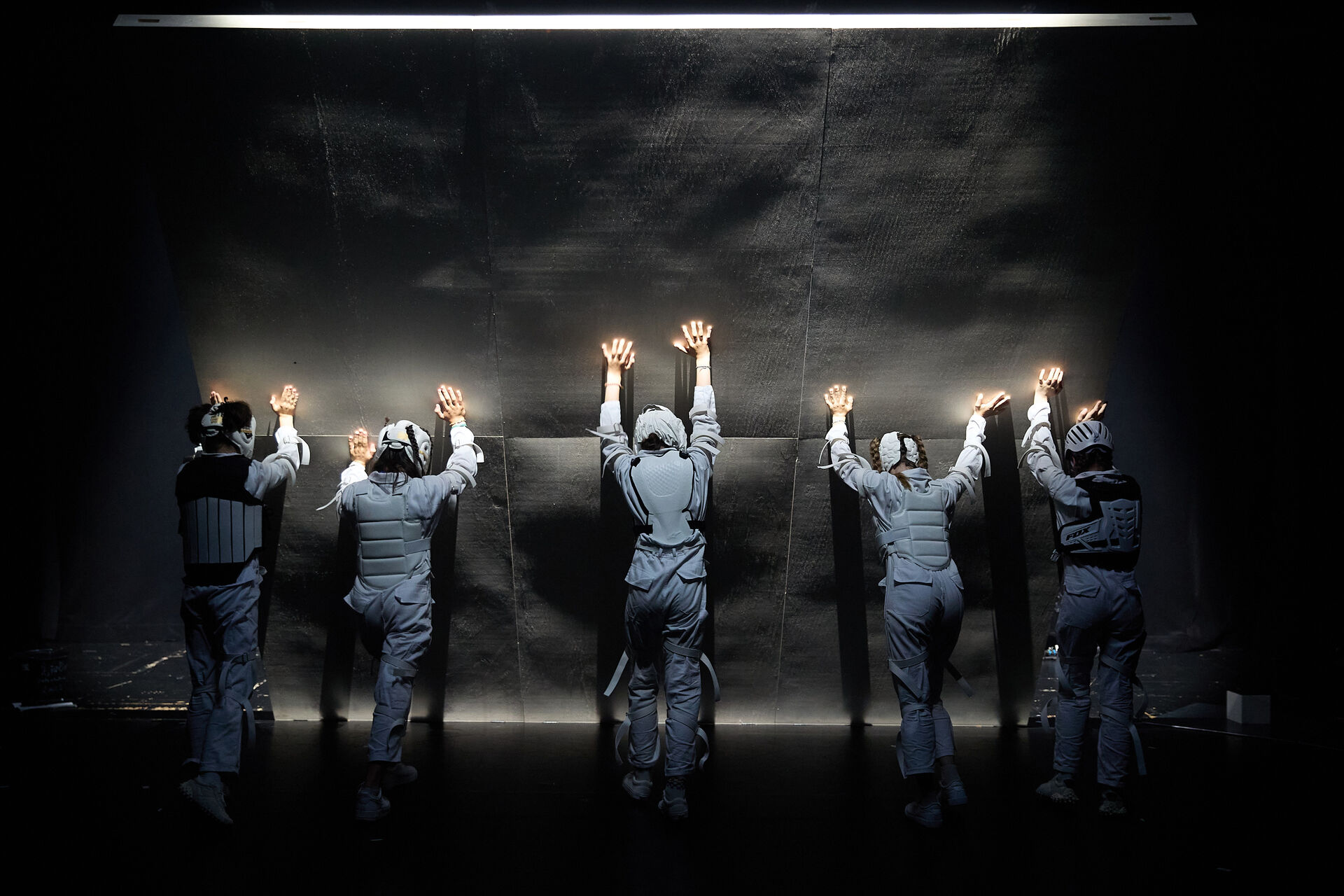
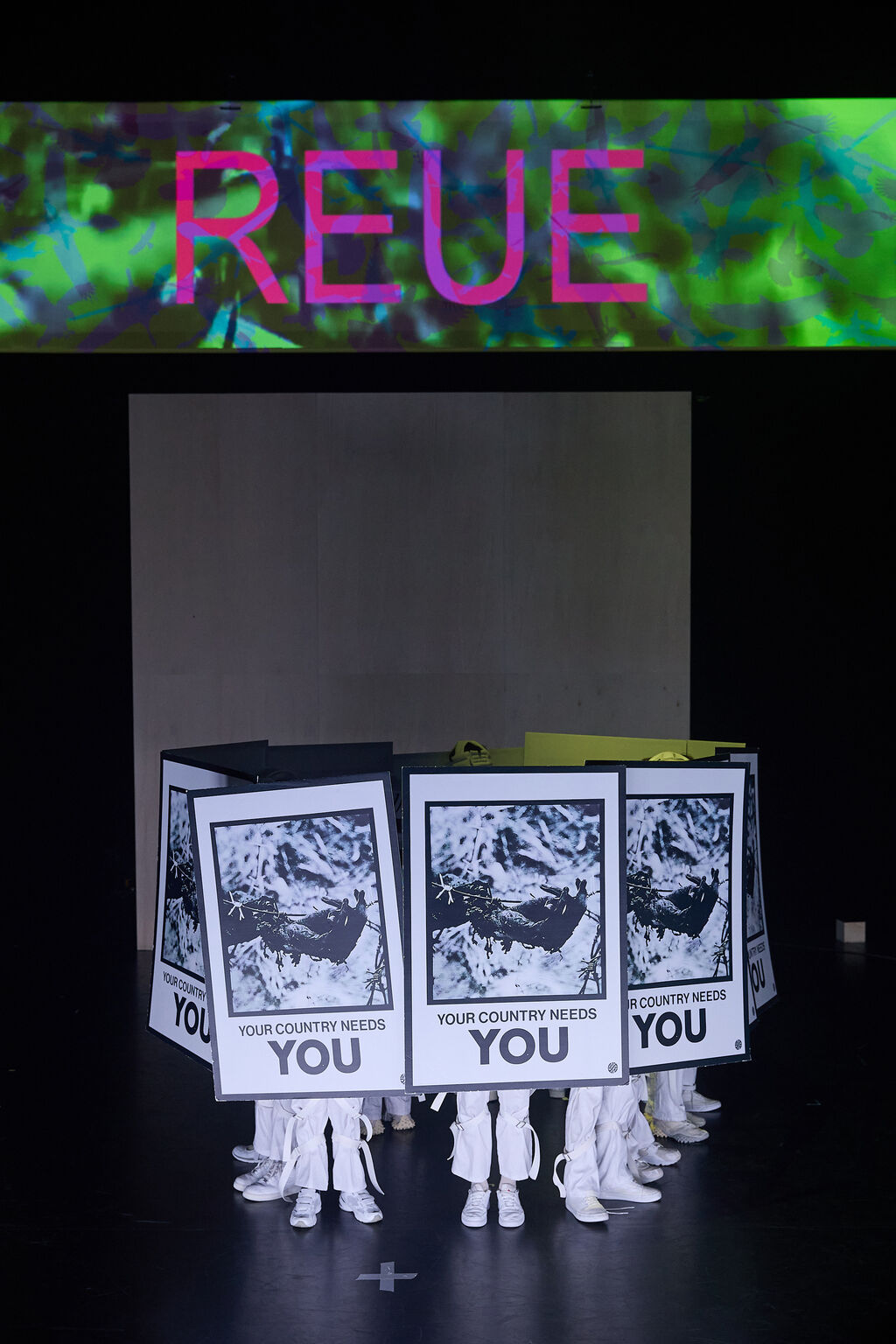
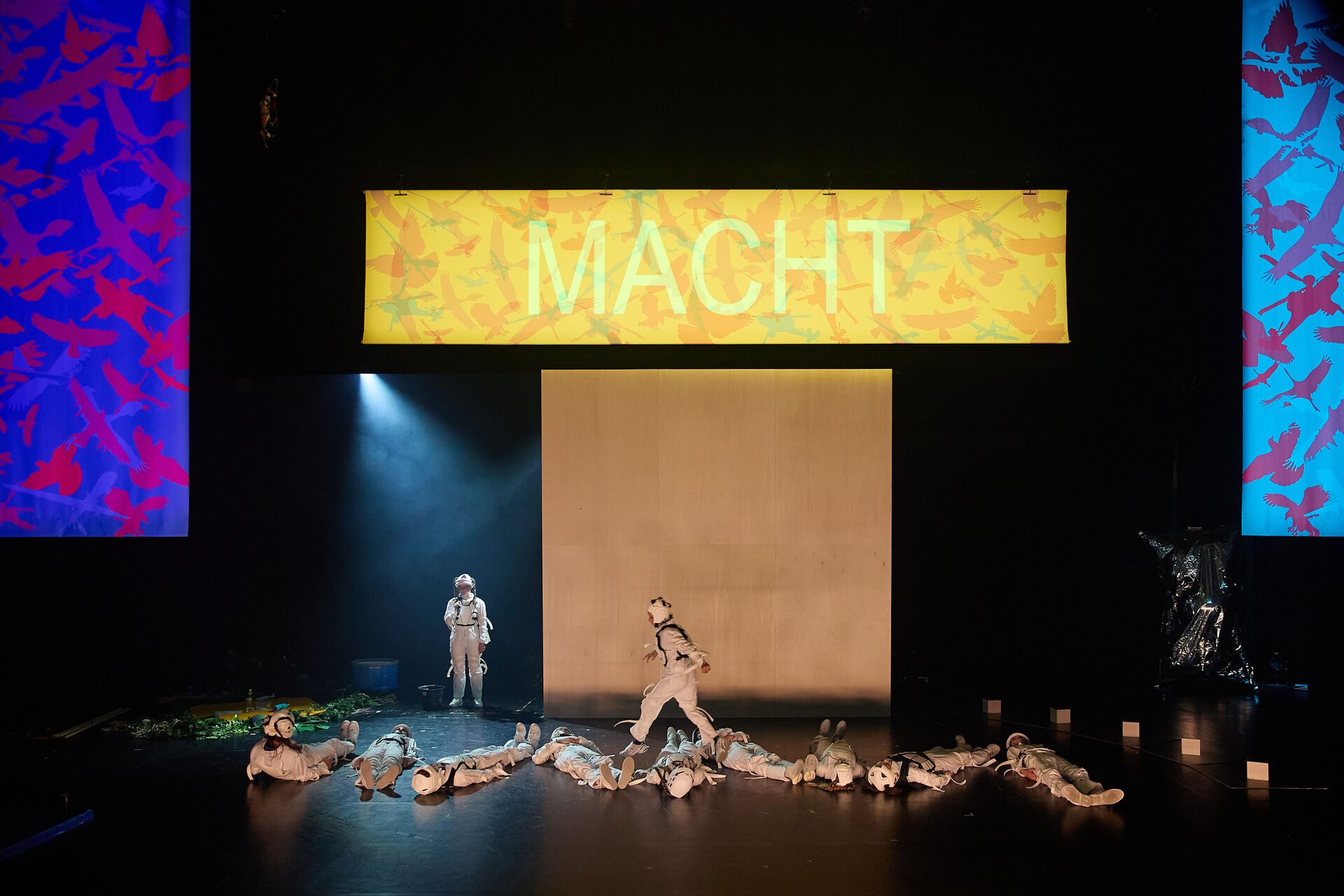
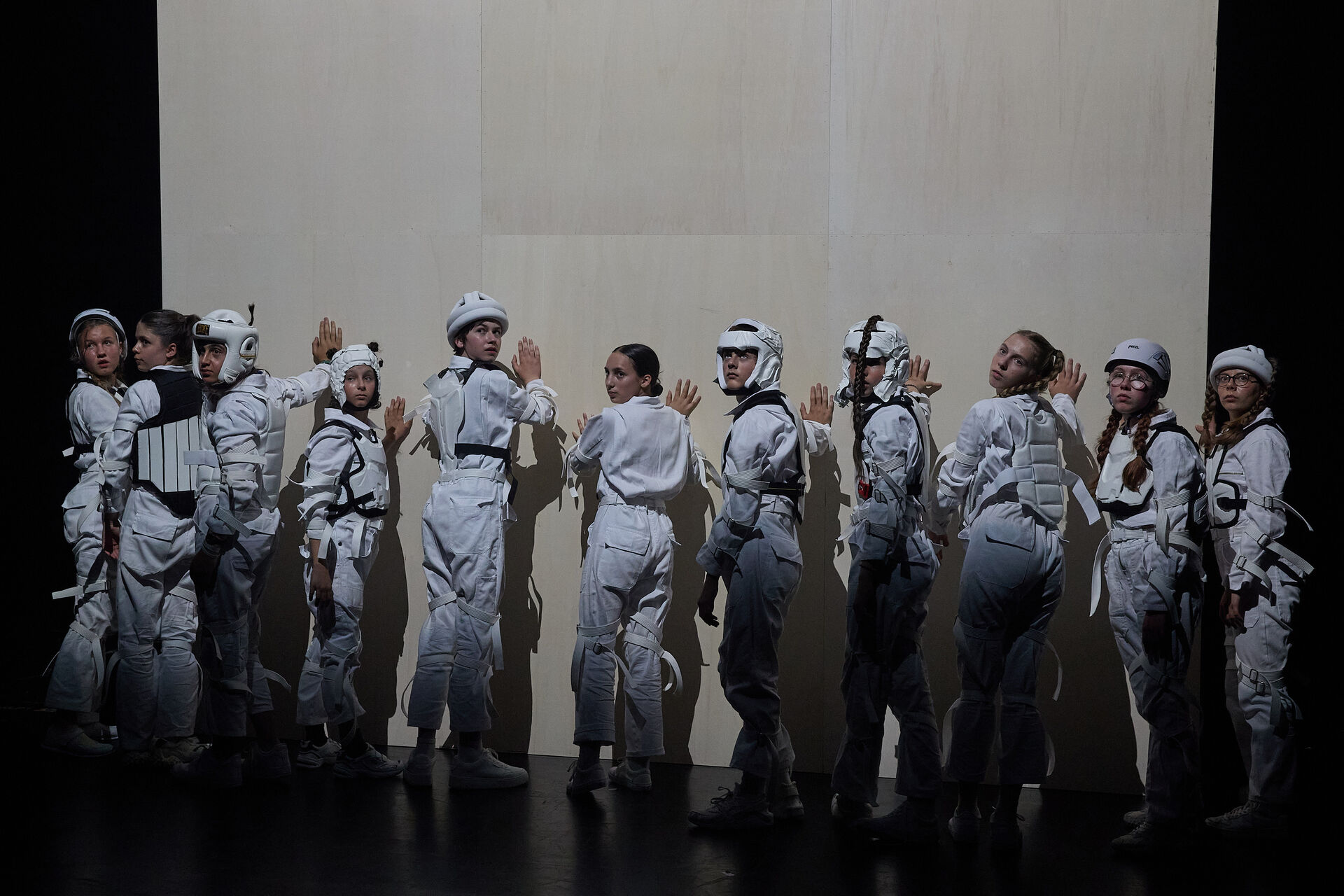
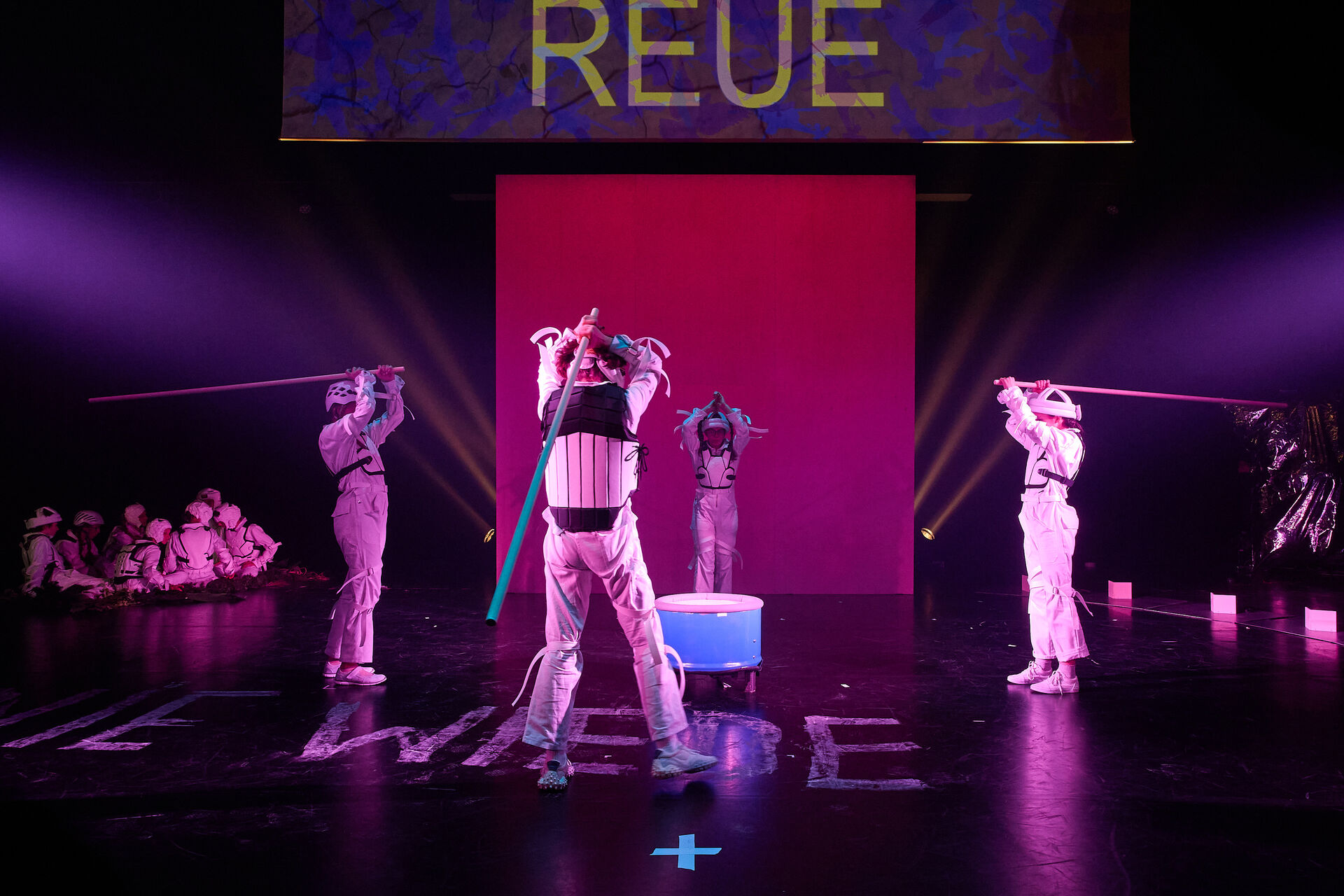
Choreographing for WAR GAMES by Skart at Münchener Kammerspiele.
After a longterm rehearsal process, stretching over two years, with 12 devoted teenagers from Munich, we opened yesterday with a blast. There are two more shows at Therese-Ghiese Halle this week end:

Premiere June 26, 2025 at 19.30h
Saturday 28, at 19.30h
Sunday 29 at 16h.

Theatre of the new generation

War is as old as mankind. For 300,000 years, there has been fighting somewhere in the world – despite all the cries of “Never again!”. Why can’t mankind break out of this spiral? “War Games” examines war as a performative cultural history and social vicious circle. Together with children and young people, SKART questions power, violence and the rules of the game. The result is a multi-layered performance with theater, video, sound, costumes and stage design – perhaps even dance. But “War Games” is not children’s theater. SKART and the team deal with “adult topics” on a radically equal footing: What is violence? What does it do to us?
Humorous, provocative, intense – SKART is one of the most innovative groups working with children and young people in the German theater scene. “War Games” is art, education and a social statement at the same time. SKART gets involved – with a bang!

SKART & Friends Charlotte Heidenreich (Performerin), Stephan Janitzky (Künstler), Anton Kaun (Video- & Noisekünstler), Deniz Khan (Musiker), Lea Letzel (Künstlerin & Pyrotechnikerin), Janne Plutat (Kostümbildnerin), Mark Schröppel (Performer & Theatermacher), Dasniya Sommer (Tänzerin & Choreografin), Henrik Weber.

With Karla Bacher, Lionel Barth, Isaac de Mercey, Sophie Einloft, Milan Glück, Anna Haas, Emma Konrath, Lukas Lauser, Nala Ouaffi, Melanie Siebs, Jakob Waldow.

Artistic Production Management: Elke Bauer, Daniela Schroll
Technical Production Management: Richard Illmer
Stage Management: Thomas Graml, Josef Hofmann
Lighting: Wolfgang Eibert, Yongwoo Kwon, Christian Mahrla, Louis Nickel
Sound Paolo Mariangeli, Alejandro Nieto
Video: Technician Julia Römpp
Carpentry: Florian Thoma
Props: Julia Molloy
Costume: Janne Plutat
Make Up: Jannes Donner
Stage Manager: Hanno Nehring
Photos: Judith Buss

SKART & MASTERS OF THE UNIVERSE

Eine neue, schöne Zusammenarbeit mit den MOTUS und Meine Damen und Herren Ensemble.
Premiere nächste Woche auf Kampnagel, 9. April 2025, 19 Uhr.

WAR GAMES

In der rund 300.000 Jahre alten Geschichte des modernen Menschen gibt es keinen Augenblick, in dem nicht irgendwo auf der Welt Krieg geführt wurde. Obwohl die meisten Erdenbewohner*innen anscheinend dagegen sind, gibt es wenig Vorhaben, die der Homo sapiens so zuverlässig umsetzt, wie das Morden im großen Stil. Wie eine schlechte Angewohnheit wechselt der Krieg regelmäßig seine Erscheinungsform und wird kontinuierlich verdammt – wirklich aus der Mode kommt er allerdings nie. In ihrer neusten Produktion WAR GAMES widmet sich das altersgemischte Kollektiv SKART & Masters of the Universe zusammen mit Performer*innen des inklusiven Ensembles Meine Damen und Herren dem Phänomen Krieg als performativer Kulturgeschichte. Gemeinsam mit Schüler*innen der Stadtteilschule Altona untersuchen sie kriegerische Konflikte als gesellschaftliche Teufelskreise. In Form künstlerischer Endlosloops stellen sie die Frage: Warum ist »Nie wieder!« eben nicht jetzt?

Von und mit SKART & Masters of the Universe, Björn Auftrag, Charlotte Heidenreich, Friederike Jaglitz, Deniz Khan, Lone Lausen, Isabella Lüthe, Maja Maciak, Stephan Mahn, Tintin Patrone, Janne Plutat, Lars Rubarth, Minu Schilling, Mark Schröppel, Sina Schröppel, Michael Schumacher, Dasniya Sommer, Henrik Weber

Gefördert im Programm Jupiter – Darstellende Künste für junges Publikum der Kulturstiftung des Bundes – gefördert von der Beauftragten der Bundesregierung für Kultur und Medien. sowie von Hamburgische Kulturstiftung. In Kooperation mit ZEIT STIFTUNG BUCERIUS.